There is a delightful nerdy irony in the fact that some of the most interesting application of app design for local service businesses is happening not in Silicon Valley start-ups but in bin cleaning rounds, garden maintenance crews, and window washing vans trundling around British suburbs. Designers and developers, pay attention – because the gap between a scrappy trades business and a polished digital-first operation is essentially a UX problem waiting to be solved.

Why App Design for Local Service Businesses Actually Matters
Let us be clear about something: most local service businesses are not building their own apps. That would be like buying a Formula One car to nip to Tesco. What they are doing – the smart ones, anyway – is leaning heavily on existing platforms, booking tools, and workflow apps that have been designed with genuine craft. The design decisions baked into those tools directly affect whether a customer books, whether a job gets scheduled properly, and whether the business owner avoids a complete nervous breakdown on a Tuesday morning.
This is where the rubber meets the road for UI and UX professionals. When you design a booking flow, a service selection screen, or a recurring schedule widget, you are not just pushing pixels. You are making operational decisions for real people with real businesses. That responsibility is enormous and, honestly, quite exciting.
The Design Patterns That Local Services Actually Use
Frictionless Booking Flows
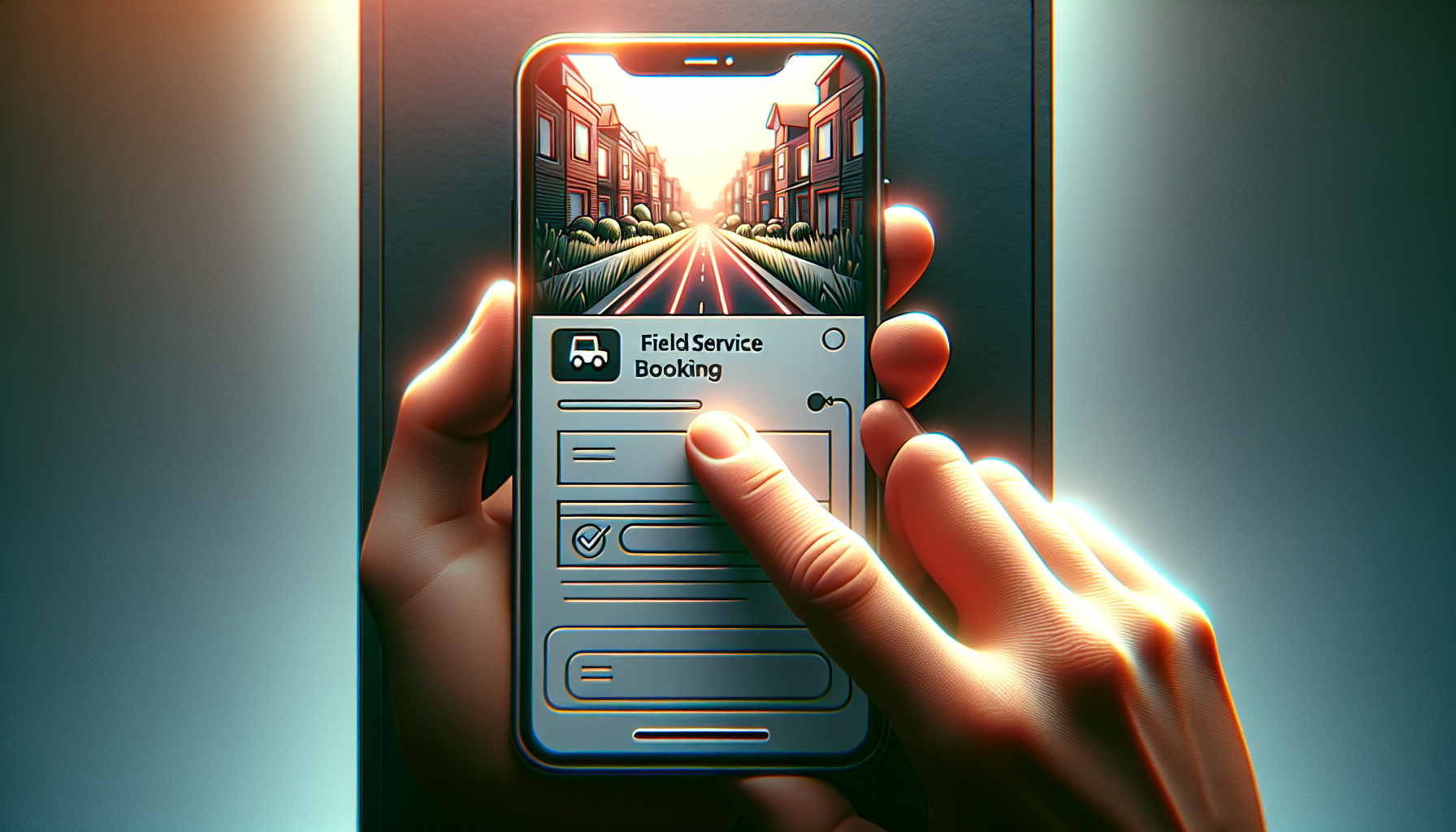
The single most important screen in any service business app is the booking screen. Research consistently shows that every additional tap in a booking flow costs conversions. Local service providers need customers to go from “I want this done” to “it is booked” in under sixty seconds. That means ruthless prioritisation: service type, date, address, payment. Nothing else. No unnecessary account creation walls, no nine-step onboarding sequences. Clean, purposeful, fast.
The Bin Boss, a UK business that provides a local service to residential and commercial customers, is a solid real-world example of a service operation where the digital touchpoint – whether a website form or a scheduling tool – needs to do the heavy lifting efficiently. When the service itself is routine and repeat-based, the app design has to make rebooking feel almost automatic.
Notification Architecture
Push notifications in service apps are criminally underdesigned. Most businesses default to “your appointment is tomorrow” and call it done. But well-architected notification systems – tiered by urgency, personalised by service history, timed intelligently relative to the job – actually reduce no-shows, increase upsells, and build the kind of passive brand familiarity that keeps customers loyal. This is a design and systems problem simultaneously, which makes it genuinely fun to work on.
Route and Schedule Visualisation
On the operational side, the design of scheduling and routing interfaces is where complexity lives. A field service team needs to see their day at a glance – who, where, when, and how long. Map integrations, drag-and-drop rescheduling, and real-time status updates are all standard expectations now. Getting the information hierarchy right on a mobile screen when someone is standing on a doorstep in the rain is a proper design challenge that requires empathy and rigour in equal measure.
What Designers Can Learn From the Trades
Here is the nerdy insight that most design schools do not teach: constraints breed clarity. A bin cleaning company does not need a design system with forty-seven colour tokens and a philosophical approach to micro-interactions. It needs something that works on a slightly cracked Android phone, loads fast on a 4G signal, and requires zero training to operate. Designing for those constraints produces leaner, more honest interfaces than designing for a fictional power user in a glass-walled office.
The lesson is that real-world operational software forces designers to prioritise mercilessly. Every element must justify its existence by solving a real problem. There is no room for decorative complexity when someone needs to mark a job complete before driving to the next address.
Tools and Tech Worth Knowing
If you are a developer or designer looking to build in this space, the stack matters. Platforms like Jobber, ServiceM8, and Housecall Pro have set strong baseline expectations for what field service software looks like. Study them. Understand why the navigation is structured the way it is, why customer history is surfaced at specific moments, and how the payment collection flow minimises awkwardness for both parties.
For custom builds, React Native and Flutter remain the sensible choices for cross-platform field service apps. The offline-first architecture consideration is non-negotiable – service workers are not always in range of a reliable signal, and an app that falls over without connectivity is worse than no app at all.
The Real Opportunity for Designers Right Now
Local service businesses in the UK represent a genuinely underserved design market. Many are still operating on spreadsheets, WhatsApp groups, and sheer willpower. The businesses that have invested in proper digital tooling – even basic, well-designed booking and scheduling systems – are measurably outperforming those that have not.
A company like The Bin Boss, operating as a local service business in the UK, illustrates exactly why thoughtful digital design creates competitive advantage in sectors that are not traditionally associated with tech. When your competitor is booking jobs via a Facebook message and you have a slick, instant online booking flow, that difference is felt immediately by customers.
Designers who understand this space, who can translate operational complexity into clean, functional interfaces, are building genuinely useful things. That is a good feeling. Better than designing the fourteenth variation of a social media dashboard that nobody asked for.
Bringing It All Together
App design for local service businesses is not glamorous in the conference-talk sense. Nobody is winning design awards for a bin round scheduling interface. But it is consequential, technically interesting, and full of unsolved problems that reward thoughtful, rigorous design thinking. If you are a designer or developer looking for work that actually matters to real people running real businesses, this is a very good place to point your skills.

App design for local service businesses FAQs
What kind of apps do local service businesses actually use?
Most local service businesses rely on purpose-built field service management platforms such as Jobber, ServiceM8, or Housecall Pro rather than custom-built apps. These platforms handle scheduling, invoicing, customer management, and route planning. Some larger operations do commission custom app development, particularly when their workflow does not fit neatly into an off-the-shelf product.
How much does it cost to build an app for a local service business?
A custom mobile app for a local service business typically costs anywhere from £5,000 for a basic MVP to £50,000 or more for a fully featured cross-platform solution with offline support, payment integration, and route optimisation. For most small operators, a well-configured SaaS platform is a far more cost-effective starting point, often available for between £30 and £150 per month.
What design principles are most important for service business apps?
Speed and clarity are the two non-negotiables. Users in the field need to complete tasks quickly, often on mobile, sometimes with poor connectivity. This means offline-first architecture, minimal tap counts for core actions, and an information hierarchy that surfaces what matters right now rather than everything at once. Accessibility and legibility in outdoor lighting conditions are also worth specific design attention.
Is React Native or Flutter better for building a field service app?
Both are strong choices for cross-platform field service apps and the honest answer is that the deciding factor is usually your team’s existing skill set. Flutter tends to offer better performance consistency across Android and iOS, while React Native benefits from a larger community and easier integration with JavaScript-heavy web codebases. For offline-first requirements, both support the necessary architectural patterns with the right libraries.
How do you design a booking flow that converts well for a service business?
The golden rule is to minimise steps between intent and confirmation. Collect only the information that is genuinely required to fulfil the booking – service type, preferred date, address, and payment. Defer account creation until after the first booking is confirmed. Use smart defaults based on location or previous visits where possible, and always confirm the booking with an immediate, clear summary so the customer feels certain the job is booked.