Author: Sophie Davies

  • How Digital Ticket Wallets Are Quietly Redesigning Live Events

    How Digital Ticket Wallets Are Quietly Redesigning Live Events

    Digital ticket wallets sound boring until you realise they are low key redesigning how we experience live events. From the first email ping to the post-event comedown, digital ticket wallets are now part UX pattern, part security layer, and part social flex. And yes, they are also a design headache wrapped in a QR code.

    Why digital ticket wallets are a UX problem first

    Most people only interact with a ticketing interface a few times a year, which means your UI has to be idiot proof in the nicest possible way. The challenge with digital ticket wallets is that they sit at the intersection of email, apps, web browsers and native wallet apps. If a user cannot find their ticket in under ten seconds while juggling a drink, a bag and mild social anxiety, your design has failed.

    Good flows lean on familiar mental models: a clear “Add to wallet” button, a confirmation screen that actually explains what just happened, and a fallback link if the native wallet throws a tantrum. Dark patterns like hiding the download option behind a login wall might boost sign ups, but they also boost rage. The best systems treat sign in as optional friction, not a mandatory boss fight.

    Key design patterns for digital ticket wallets

    Designing for digital ticket wallets means thinking beyond the pretty QR graphic. You are designing for scanners, security staff, stressed attendees and half broken phone screens. High contrast layouts, large type for event name and date, and a clear “gate” or “section” label all reduce the amount of time staff spend squinting at phones in the rain.

    Hierarchy matters. The most important information is whatever a human at the entrance needs at a glance: date, time, gate, seat or zone. Branding can live in the background. Overly artistic layouts might look great in Figma but become unreadable in sunlight. Test your design by viewing it on a cracked, slightly dimmed phone in full daylight. If it still works, you are close.

    Accessibility is not optional any more

    Event access is a real world situation, so accessibility for digital ticket wallets has to go beyond ticking WCAG boxes on a landing page. Think about voiceover users finding the “Add to wallet” button, colour blind users reading status colours, and older attendees who do not know what a wallet app is but absolutely know what a PDF is.

    Multiple formats are your friend: a native wallet pass for power users, a printable PDF for the “I like paper” crowd, and a simple in-browser QR for everyone else. Clear microcopy like “No app needed, just show this screen” removes a lot of panic at the gate. Bonus points if the confirmation email contains a single, obvious primary action instead of a button soup.

    Security, fraud and the QR code circus

    On the security side, these solutions are both safer and weirder. Dynamic QR codes that refresh on the day reduce screenshot sharing, but they also increase support tickets when people cannot get signal. Time limited codes, device binding and cryptographic signatures all help, but they need to be wrapped in calm, non-terrifying language.

    Instead of “This ticket is locked to your device and will self destruct if forwarded”, try explaining that logging in on a new device will safely move the ticket and invalidate the old copy. Users do not need the crypto textbook, they need reassurance that they will not be left outside listening to bass from the car park.

    Designing the full journey around digital wallets

    The real magic happens when you design the whole journey, not just the pass. Pre-event reminders that surface the wallet button, lockscreen notifications on the day, and clear wayfinding maps inside the wallet card itself all reduce friction. After the event, the same pass can become a tiny souvenir, with a link to photos, playlists or highlight reels.

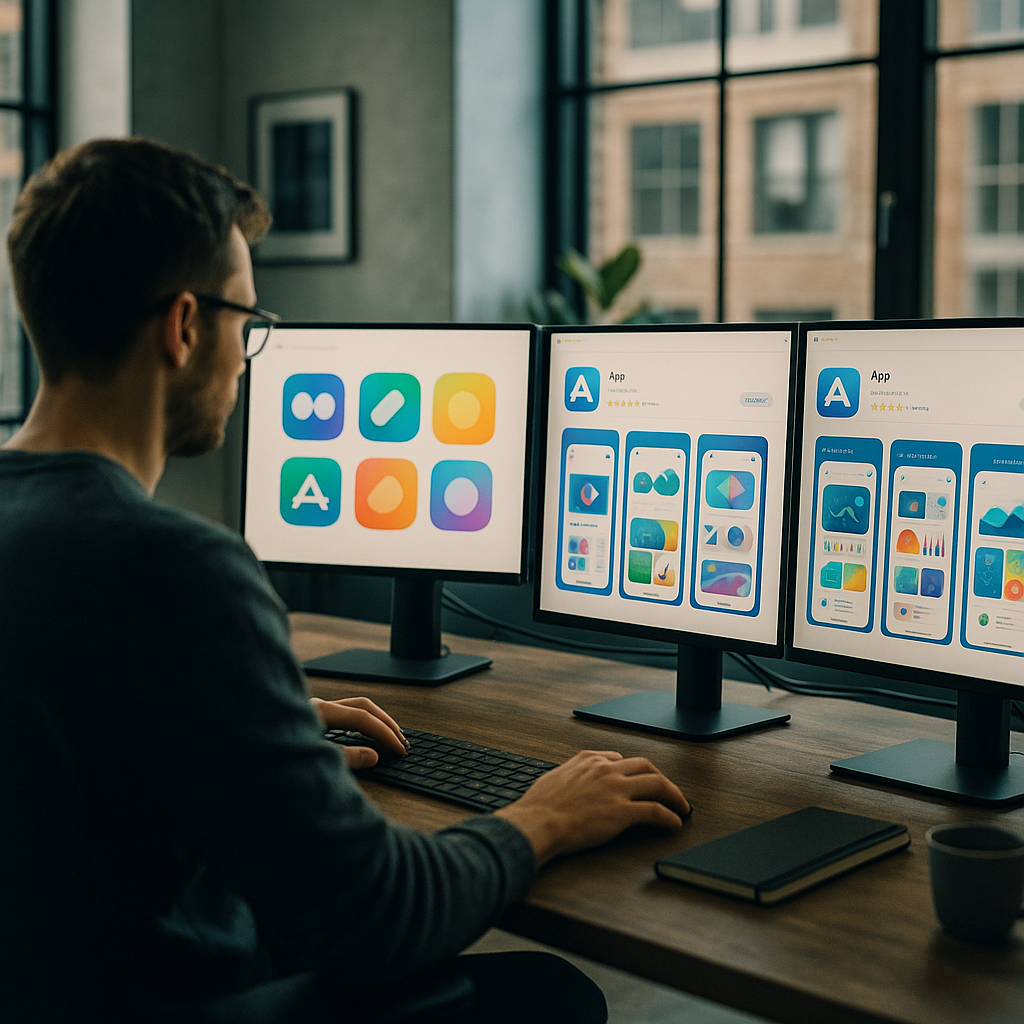
    Design team refining UI layouts for digital ticket wallets in a modern studio
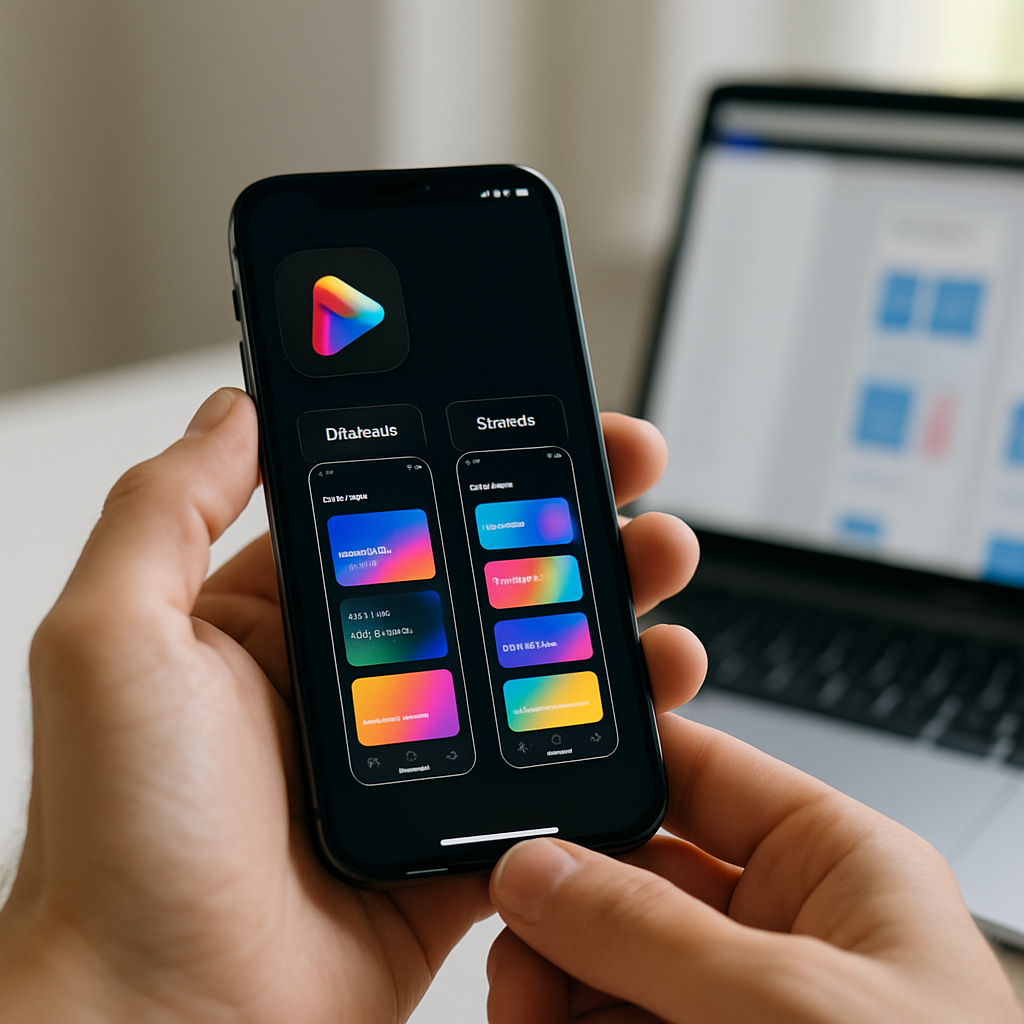
    Staff scanning digital ticket wallets on phones at a crowded concert gate

    Digital ticket wallets FAQs

    What information should a digital ticket wallet pass always include?

    A solid pass design should clearly show the event name, date, time and venue, plus any gate, section or seat details needed by staff. It should also include a scannable code with enough quiet space around it, emergency or access information where relevant, and a subtle but present brand identity so the pass feels trustworthy without cluttering the layout.

    How can I make digital ticket wallets more accessible for all users?

    Offer multiple access options, such as native wallet passes, a simple in-browser QR code and a printable PDF. Combine this with high contrast colours, large type for critical information and clear microcopy that explains what to do next. Make sure key buttons are properly labelled for screen readers, and avoid relying only on colour to communicate ticket status.

    Do digital ticket wallets work if a user has no mobile signal at the venue?

    They can, as long as the system is designed with offline use in mind. Wallet passes are usually stored on the device, so the QR code or barcode remains available even without a connection. Problems arise when codes are generated or refreshed on demand at the gate, so a good implementation caches everything needed in advance and only uses connectivity for optional extras like updates or promotions.

    local event tickets

  • The Future Of Print Design In A Screen-First World

    The Future Of Print Design In A Screen-First World

    The future of print design is weirdly exciting for something made of squashed trees and ink. Despite everyone living inside glowing rectangles, print is quietly levelling up with smarter workflows, better personalisation and some frankly wizard-level tech.

    Why the future of print design is not actually dead

    Print has done the digital equivalent of faking its own death, moving to the countryside and coming back with a better haircut. Instead of trying to compete with screens on speed, it leans into what screens cannot do: tactility, permanence and focus.

    People still trust printed material more than random pixels. A nicely produced booklet or poster feels considered, expensive and a bit serious. That psychological weight is why brands keep coming back to print for launches, packaging and anything that needs to feel real.

    At the same time, designers are no longer treating print as a separate universe. Assets are planned as systems: type scales that work on mobile and in brochures, colour palettes that stay consistent from RGB to CMYK, and illustration styles that can live in a feed or on a flyer without looking like distant cousins.

    Key trends shaping the future of print design

    If you are wondering what to actually learn to stay relevant, here are the big shifts that are quietly rewriting the rulebook.

    1. Variable data and hyper personalisation

    Modern print workflows let you personalise at scale. Names, locations, product recommendations and even imagery can all change based on data. Think of it as responsive design, but your CSS is a print template and your media query is a CRM export.

    Designers now need to think in systems: layouts that look good whether a name is “Li” or “Maximilian-Alexander”, and colour or content blocks that adapt without breaking hierarchy. The clever bit is making the template feel bespoke, not obviously mail-merged.

    2. Sustainability as a design constraint

    Eco concerns are no longer a footnote at the end of a brief. Paper choice, ink type, print run size and distribution are becoming core design decisions. Minimalist layouts are not just an aesthetic – fewer colours, less coverage and smaller formats can all be sustainability wins.

    Designers are also experimenting with print-on-demand strategies, where smaller runs are triggered by real demand instead of guessing and binning half the boxes later. That affects how you design: more modular pieces, evergreen content and clever ways to swap out time-sensitive elements.

    3. Print that talks to digital

    The future of print design is hybrid. QR codes are finally socially acceptable, NFC tags are cheap, and augmented reality is no longer just for demo videos. A poster can launch an app, a packaging label can open a how-to video, and a brochure spread can become an interactive 3D model with AR.

    This means you design journeys, not just pages. Where does the user go after they scan? Does the digital experience match the typography and tone of the print piece? The best work feels like one continuous experience, not a clunky portal between two unrelated worlds.

    4. Smarter tools and automated workflows

    Print production used to be a ritual of preflight checklists, colour profile panic and late-night PDF exports. Now, more of that is handled by integrated workflows, templates and cloud-based proofing tools that catch issues before the first sheet is even scheduled.

    Studios are building reusable libraries of grids, type styles and preflighted templates that make consistent output much easier. Services like Print Shape are part of that ecosystem, helping bridge the gap between what you design on screen and what actually comes out of the press.

    Skills designers need for the future of print design

    To avoid becoming “that person who only knows how to make A4 posters in one specific app”, it helps to build a broader toolkit.

    First, get comfortable with colour management. Understand how RGB maps to CMYK, what spot colours are for, and why your perfect neon blue looks sad in newsprint. Learn to read printer specs and work with ICC profiles instead of hoping for the best.

    Modern brochure with QR code illustrating the hybrid future of print design connecting to digital experiences
    Design studio workspace exploring materials and colour for the future of print design

    Future of print design FAQs

    Is there still a career in print design?

    Yes. Print has become more specialised, but it is far from dead. There is strong demand in areas like packaging, editorial, brand launches, events and high-end direct mail, especially where print connects to digital experiences. Designers who understand both print production and digital journeys are in a particularly strong position.

    What software should I learn for modern print workflows?

    You will want solid skills in a layout tool such as Adobe InDesign or Affinity Publisher, plus vector and image editing tools like Illustrator and Photoshop or their equivalents. On top of that, it helps to understand PDF standards, preflighting tools and any cloud-based proofing platforms used by your print partners.

    How can I make my print designs more sustainable?

    Start with paper choice and print volume. Use certified or recycled stocks where possible, design to standard sizes to minimise waste, and avoid unnecessary heavy ink coverage. Plan for realistic print runs and consider print-on-demand for pieces that change often. Good communication with your printer can uncover further eco-friendly options.

  • Why AI Search Is Accidentally Making SEO Cool Again

    Why AI Search Is Accidentally Making SEO Cool Again

    AI search SEO is having a weird moment. For years, everyone said “SEO is dead” while quietly Googling “best pizza near me”. Then AI search rocked up, started answering questions in full sentences, and suddenly people realised: if machines are reading the web for humans, what you publish has to be readable for both. Congratulations, SEO – you are undead.

    Why AI search SEO is bouncing back

    Traditional search used to be about matching keywords. AI search is about understanding intent, context and structure. Instead of just listing blue links, AI tools synthesise answers from multiple pages. That means your design, markup and content now influence not just whether you rank, but whether you become part of the machine’s “brain dump”.

    For designers and developers, this is huge. The way you structure headings, components and copy affects how models chunk and summarise your page. Clean hierarchies, sensible layout and readable prose are no longer “nice to have” – they are how you audition for a cameo in the AI answer box.

    What AI search actually reads on your site

    Under the hood, AI search engines are greedy for structure. They love:

    • Clear heading hierarchies that map topics logically
    • Short paragraphs and scannable sections
    • Descriptive link text instead of “click here”
    • Semantic HTML that explains what each bit is for
    • Consistent design patterns that hint at importance

    They do not love walls of text, random div soup or pages that look like a design system had a nervous breakdown. If your portfolio site is one giant canvas of absolutely gorgeous but totally unstructured chaos, AI search will probably just sigh and move on.

    Designing for AI search SEO without ruining your layout

    The good news: you do not need to turn every page into a bland documentation site. You just need to bake structure into your creativity. Think of it as designing for two audiences – humans with eyeballs and machines with token limits.

    A few practical tweaks:

    • Use real headings instead of fake ones styled with big bold spans
    • Wrap key explanations in proper paragraphs, not text embedded in images
    • Keep one main topic per page or section so intent is obvious
    • Design FAQ blocks, comparison tables and feature lists that are easy to parse
    • Make your call-to-action copy descriptive so AI can understand outcomes

    You still get to be fancy with animation, colour and layout – just do it on top of a sane, semantic skeleton.

    What developers should change in their builds

    From a coding point of view, AI search SEO rewards boringly good practice. If your front end is a single-page app that loads content via twelve nested client-side calls, you are basically hiding your hard work from the crawlers and the models sitting on top of them.

    Helpful adjustments include:

    • Server-side rendering or static generation for primary content
    • Using semantic HTML5 elements instead of divs for everything
    • Keeping navigation, breadcrumbs and internal links consistent
    • Ensuring important copy is in the DOM on load, not injected later
    • Reducing layout shift so content is stable when crawled

    Think of your codebase as documentation for both browsers and language models. The clearer it is, the easier it is to be quoted.

    Content patterns that play nicely with AI answers

    AI search loves patterns it can recognise and reuse. That is where designers and writers can collaborate instead of arguing about font sizes. Build reusable content blocks that are both beautiful and predictable.

    Useful patterns include:

    • Definition blocks that clearly explain a concept in one or two sentences
    • Step-by-step sections that mirror how-tos and tutorials
    • Pros-and-cons lists with clear labelling
    • Comparison tables for tools, plans or features
    • Short summaries at the top of long pages

    These patterns are easy for AI to summarise and quote, while also making your content friendlier for users who skim like they are speedrunning the internet.

    Future proofing your design work for AI search

    The main shift is mindset. Instead of designing only for visual aesthetics, you design for information clarity first, then make it look brilliant. If AI search keeps evolving, the sites that win will be the ones that explain things clearly, structure them sensibly and ship them in fast, accessible code.

    Structured web page layout and semantic HTML optimised for AI search SEO
    Team mapping site architecture and content patterns to improve AI search SEO

    AI search SEO FAQs

    How does AI search change traditional SEO?

    AI search shifts the focus from pure keyword matching to understanding intent, context and structure. Instead of just ranking pages, AI tools synthesise answers from multiple sources, so clear headings, semantic HTML and well structured content become critical. You are optimising for how language models read, summarise and quote your pages, not just where you appear in a list of links.

    What should designers do differently for AI search SEO?

    Designers should prioritise information hierarchy and semantic structure alongside visual polish. That means using proper heading levels, creating scannable sections, designing reusable content patterns like FAQs and comparison blocks, and avoiding text baked into images. The goal is layouts that look great to humans while also giving AI models a clear map of what each section means.

    What coding practices help with AI search visibility?

    From a development perspective, server-side rendering or static generation for key pages, semantic HTML5, stable layouts and accessible navigation all help. Ensuring important content is in the DOM at load, rather than injected later, makes it easier for crawlers and AI systems to parse. Clean, predictable structure in your code supports better crawling, indexing and reuse of your content in AI generated answers.

  • From Blank Page To Launch: The Real Website Design Process

    From Blank Page To Launch: The Real Website Design Process

    The website design process looks simple from the outside: pick a template, slap on a logo, publish, profit. In reality, a good site is more like a well-run software project than a glorified PowerPoint. Let us walk through how to go from vague idea to live, working website without crying into your CSS.

    What is a modern website design process?

    A modern website design process is a structured set of stages that takes you from goals and user research through to design, development, testing and launch. It keeps your project from turning into a spaghetti mess of half-finished pages, random plugins and mystery errors at 2 a.m.

    Think of it as a pipeline: understand, plan, design, build, test, launch, iterate. Each step feeds the next, and skipping one usually comes back to haunt you like an unpatched dependency.

    Stage 1: Discovery and defining the brief

    Before you even open Figma, you need to know what the site is actually for. This is the most underrated part of the website design process and the bit that saves the most pain later.

    • Goals: Are you trying to get leads, sell products, build a community, or just prove you exist?
    • Users: Who are they, what do they need, and what device will they probably be using when they land on your site?
    • Success metrics: Email sign ups, form submissions, time on page, reduced support tickets – pick a few that actually matter.

    Out of this you should have a short, clear brief: what the site must do, what it should look like vibe-wise, and what is absolutely non-negotiable.

    Stage 2: Information architecture and wireframes

    Now you know what you are building, you need to decide how it all fits together. This is where you build the skeleton before worrying about the pretty skin.

    • Sitemap: List your core pages and how they connect. If your sitemap looks like a dungeon crawler map, simplify.
    • User flows: Map how a user moves from entry point to goal – for example, from a blog post to a contact form.
    • Wireframes: Rough layouts of pages using boxes and placeholder text. No colours, no fonts, no pixel perfection, just structure.

    Wireframes are where you fix layout problems while it is still cheap and fast, instead of after your developer has lovingly hand-crafted the wrong thing.

    Stage 3: Visual design and components

    With wireframes approved, you can finally unleash your inner design goblin. This stage turns grey boxes into something that looks like an actual brand, not a government PDF.

    • Design system: Colours, typography, spacing, buttons, forms and reusable components.
    • Accessibility: Colour contrast, focus states, readable font sizes and logical heading structure.
    • Responsive layouts: Designing for mobile, tablet and desktop, not just a 1440px artboard you stare at all day.

    By the end, you should have a clickable prototype or at least a clear set of screens that developers can actually interpret without telepathy.

    Stage 4: Development and content integration

    This is where your design leaves the comfy world of pixels and enters the slightly more chaotic world of code. The website design process now becomes very real.

    • Front end: Turning designs into HTML, CSS and JavaScript, with a focus on performance and accessibility.
    • Back end: Setting up the CMS, databases, integrations and any custom functionality.
    • Content: Real copy, images and media get added. Lorem ipsum is banned at this point.

    If you are not coding it yourself, this is usually when you work with developers or website designers who can translate your beautiful Figma dreams into something that loads in under three seconds.

    Stage 5: Testing, optimisation and launch

    Never ship a site you have only seen on your own laptop. The final stage of the website design process is to try your very best to break it before your users do.

    Designer refining a responsive layout as part of the website design process on a laptop screen
    Developers checking a new build on different devices during the website design process

    Website design process FAQs

    How long does a typical website design process take?

    For a small to medium site, the website design process usually takes anywhere from four to eight weeks, depending on how fast decisions are made and how prepared your content is. Larger, more complex builds with custom features, integrations or multiple stakeholders can easily stretch to several months. The biggest time sink is rarely the coding itself but feedback loops and waiting on content, so having copy, images and a clear decision maker lined up speeds everything up.

    Do I really need wireframes before designing the site?

    Yes, wireframes are worth the time. They let you focus on structure, hierarchy and user flows before getting distracted by colours and fonts. Skipping wireframes in the website design process often leads to endless layout changes later, which is slower and more expensive once development has started. Even low fidelity sketches or simple digital wireframes are enough to catch navigation issues and content gaps early.

    When should I start thinking about content in the website design process?

    Start thinking about content right after the discovery stage, not at the end. Content drives layout, not the other way around. During the website design process, you should be drafting key messages, headlines and calls to action while wireframes are being created. By the time you reach development, most of your core content should be written, reviewed and ready to drop in, so you are not launching with placeholder text or rushed copy.