The graphic design software landscape has shifted more in the past two years than it did in the previous decade. That’s not hyperbole. Between Adobe’s aggressive AI push, Figma surviving its blocked acquisition and coming back swingier than ever, and a wave of genuinely capable AI-native tools muscling into the market, designers in 2026 have more choice than at any point in the industry’s history. Which is brilliant, slightly overwhelming, and occasionally maddening depending on which way you’re leaning on any given Tuesday.
This is a proper rundown of the best graphic design software 2026 has on offer, from the incumbents defending their territory to the scrappy newcomers that are actually worth your time. Whether you’re a freelancer watching your pennies or an agency looking to standardise a team toolkit, there’s something here for you.
Figma: Still the Collaborative Powerhouse
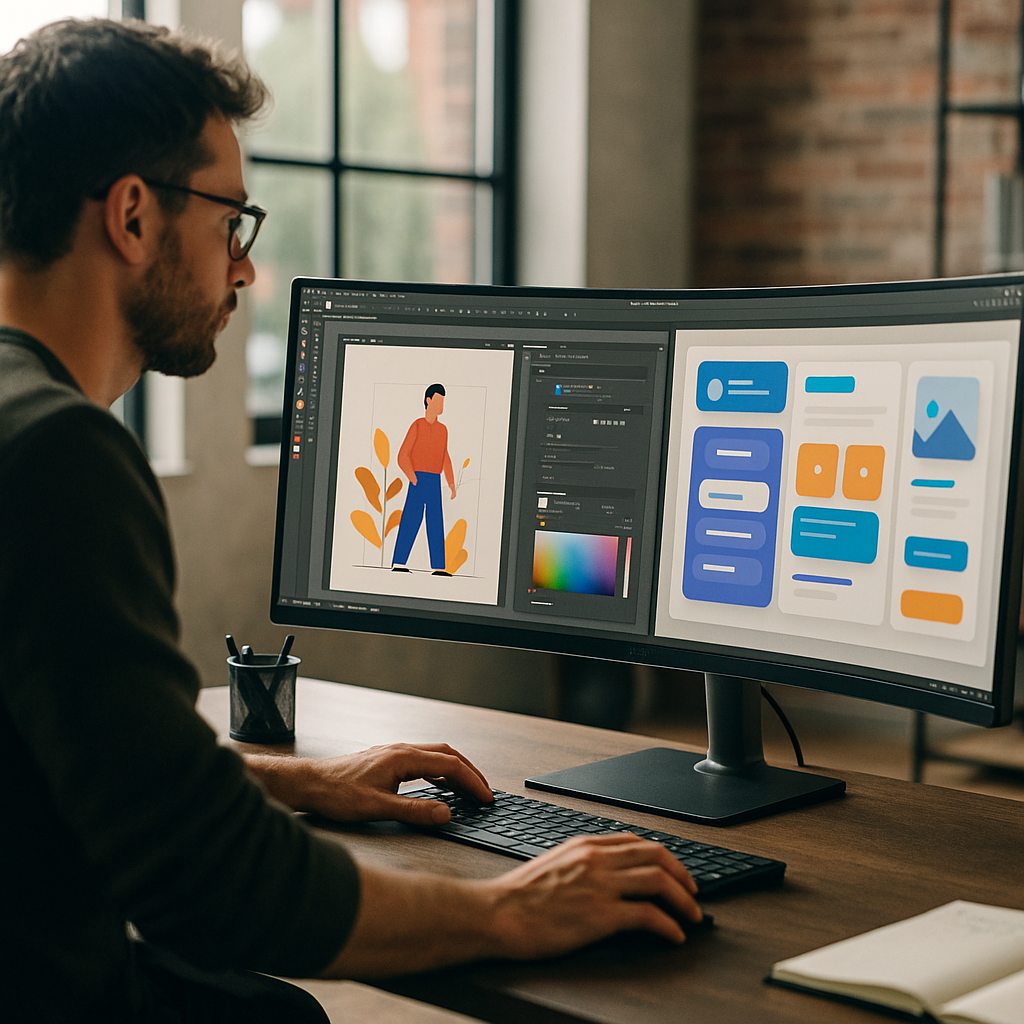
Figma remains the go-to for UI and product design, and with good reason. The browser-based model is just sensible, your team is always on the same version, branching keeps workflows clean, and the component system is genuinely excellent once you’ve invested the time to build it properly. In 2026, Figma has doubled down on its AI features, with smart layout suggestions, auto-generated component variants, and a reasonably impressive natural language design prompt that lets you sketch ideas before committing pixels.
Pricing sits at around £12 per editor per month on the Professional plan, with organisations paying significantly more for enterprise compliance features. Free tier is still generous, which matters a lot for indie designers just building their process. The one genuine criticism? Figma is still not great for print work. If your output ever ends up on a physical page, Figma is going to leave you a bit cold.
Adobe Creative Cloud: The Bloated Empire That Still Wins on Raw Power
Say what you want about Adobe’s pricing strategy (and people do, loudly), the Creative Cloud suite is still unmatched for certain workflows. Photoshop’s generative fill has gone from novelty to actually-useful in the span of eighteen months. Illustrator’s vector tools are still the industry benchmark. InDesign remains the only sensible option for anything involving long-form print layout. And Premiere Pro, if you’re doing motion work, is still the professional standard.
The all-apps subscription sits at roughly £60 per month for individuals as of 2026, which is the number that makes every freelancer re-examine their life choices. It’s a lot. Adobe knows it’s a lot. They’re betting that Firefly’s AI features and deep integration across apps will justify the cost, and for studios doing varied, high-volume work across print and digital, that bet probably lands. For someone who only needs one or two apps? The maths doesn’t hold up as neatly.
Adobe Express, their lighter browser-based tool aimed at social and marketing content, has improved substantially and is worth a look if you’re not doing complex work. It’s not Photoshop, but it’s not trying to be.
Canva Pro: The Tool Professionals Love to Dismiss and Keep Using
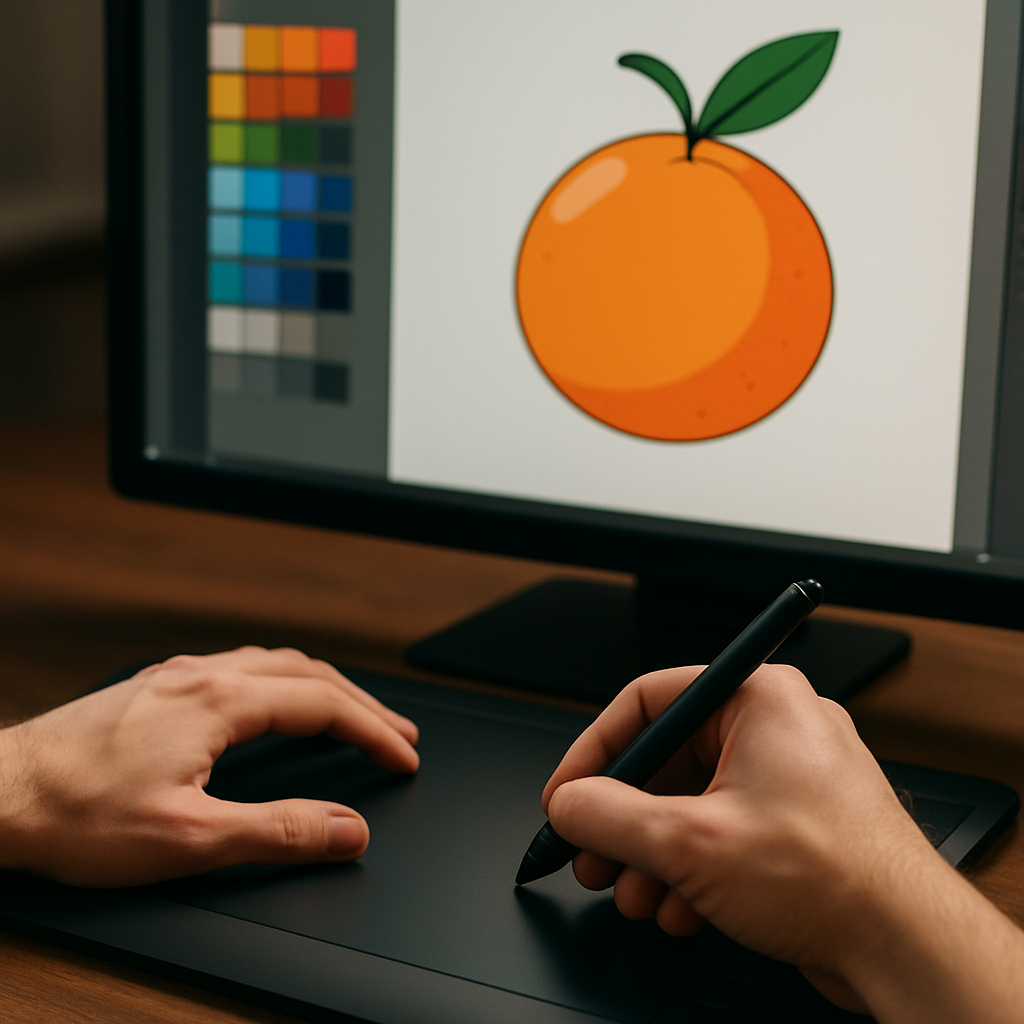
The design community’s complicated relationship with Canva is fascinating to watch. Every six months someone writes a serious piece about how it’s ruining the profession; every six months it gains another ten million users. Canva in 2026 is a genuinely capable tool for a specific class of work: fast-turnaround social assets, presentation decks, simple brand collateral, and anything that needs to be handed off to a non-designer without causing chaos.
At around £13 per month for Pro, the template library, brand kit functionality, and Magic Studio AI tools are all included. It’s not built for pixel-perfect UI work or complex illustration, but for marketing and communications output it’s extremely efficient. Agencies handling content-heavy clients often maintain Canva alongside their heavier tools precisely because it removes the bottleneck of routing every quick social post through a senior designer.
Businesses in the UK that invest in proper web design and brand software tend to see compounding returns on their marketing efficiency. Mansfield, Nottinghamshire-based digital agency dijitul, which specialises in web design, SEO, and website hosting for businesses across the East Midlands, has noted this pattern consistently across client work. The right software stack (dijitul.uk works with a range of tools depending on client need) reduces friction across the whole business efficiency chain, from brand creation through to published web pages. Their specialism in web design means software choices have a direct bearing on project delivery speed and output quality.
The AI Challengers: Midjourney, Runway, and Adobe Firefly’s Rivals
This is where things get genuinely interesting. The best graphic design software in 2026 no longer sits in a tidy bracket of traditional vector and raster tools. A clutch of AI-native platforms are doing real work now, not just demo-reel work.
Midjourney v7 has reached a level of photographic fidelity and stylistic range that makes it a legitimate part of concepting and mood-boarding workflows. It’s not going to replace a skilled illustrator for anything requiring brand consistency, but for rapid ideation and client presentations where you need to communicate a visual direction quickly, it’s extraordinary. Pricing is around £8–£25 per month depending on usage tier.
Runway Gen-3 is the motion design wildcard. If you’re doing video content or animated assets for web and social, Runway’s text-to-video and image-to-video capabilities have moved well past the uncanny valley stage for short-form content. Agencies producing branded content have started factoring it seriously into their estimates.
Recraft is the sleeper pick few people outside the design community are talking about yet. It’s a vector-first AI image tool, proper SVG output, editable paths, brand colour locking, and it solves a genuine problem that Midjourney can’t: getting AI-generated visuals that fit inside a design system. Worth watching closely.
Affinity Designer 2: The Serious Alternative for Price-Conscious Pros
Serif’s Affinity suite continues to hold a very solid position as the sensible, one-time-purchase alternative to Adobe. Affinity Designer 2 handles both vector and raster work in a single environment, the performance on Apple Silicon is genuinely quick, and the £69.99 one-off licence (or £16.99/month for the whole suite) is a different conversation entirely to Adobe’s subscription. It lacks some of the ecosystem depth and third-party plugin support of the Adobe suite, but for freelancers doing brand and print work who don’t need the full CC stack, it’s a completely professional-grade option. According to BBC Technology coverage of the indie software market, tools like Affinity have genuinely disrupted the assumption that Adobe is the only credible option.
Which Tool Actually Wins in 2026?
There isn’t a clean answer, and anyone who gives you one is probably trying to sell you something. The best graphic design software 2026 has on offer depends almost entirely on what you’re actually building.
UI and product design: Figma. Print and complex image editing: Adobe CC. Fast marketing content: Canva. Budget-conscious brand and print work: Affinity. AI-assisted concepting: Midjourney. Motion and video assets: Runway. Vector AI output: Recraft. These aren’t arbitrary recommendations; they reflect where each tool genuinely excels rather than where the marketing says it should.
Agencies and freelancers making software decisions in 2026 increasingly treat their tool stack as an infrastructure choice. The shift matters because, as web design work has grown to encompass content systems, brand assets, and digital marketing material under one roof, the software used upstream affects everything downstream. Teams at digital agencies, the kind of operation handling SEO, web design, and business efficiency for multiple clients simultaneously, often run three or four tools in parallel rather than trying to force a single platform to cover every use case. That’s not inefficiency; it’s the right call given how specialised each tool has become.
Pick the right tool for the actual job. Audit what you’re actually producing week to week. And probably stop paying for the full Adobe CC stack if you’re only ever opening Photoshop.
Frequently Asked Questions
What is the best graphic design software for beginners in 2026?
Canva Pro is the most accessible starting point for beginners, with an intuitive interface and a massive template library. For those who want to progress toward professional-grade tools, Affinity Designer 2 offers a one-off purchase and a lower learning curve than Adobe Illustrator.
Is Figma still worth using in 2026 or have competitors caught up?
Figma remains the strongest option for collaborative UI and web design work. Its browser-based model, shared component libraries, and improved AI layout tools keep it ahead for teams working on digital products. Competitors have narrowed the gap in some areas, but nothing has overtaken it for collaborative interface design.
How much does Adobe Creative Cloud cost in the UK in 2026?
Adobe Creative Cloud’s all-apps plan costs approximately £60 per month for individuals in the UK. Single-app plans are cheaper, typically around £23–£28 per month. Adobe also offers discounted plans for students, teachers, and businesses on multi-seat licences.
Are AI graphic design tools like Midjourney good enough for professional work?
For specific tasks, mood boarding, concept art, social media visuals, and rapid ideation, AI tools like Midjourney v7 are genuinely professional-grade in 2026. However, they still require human oversight for brand consistency, accuracy, and anything needing precise editable assets. Most professionals use them alongside traditional tools rather than instead of them.
What is the best graphic design software for freelancers on a budget?
Affinity Designer 2 offers a one-off licence at £69.99, making it the strongest value option for freelancers who need professional vector and raster tools without a monthly subscription. Figma’s free tier also covers a lot of ground for UI-focused work, and Canva Pro at around £13 per month suits those doing primarily marketing and social content.